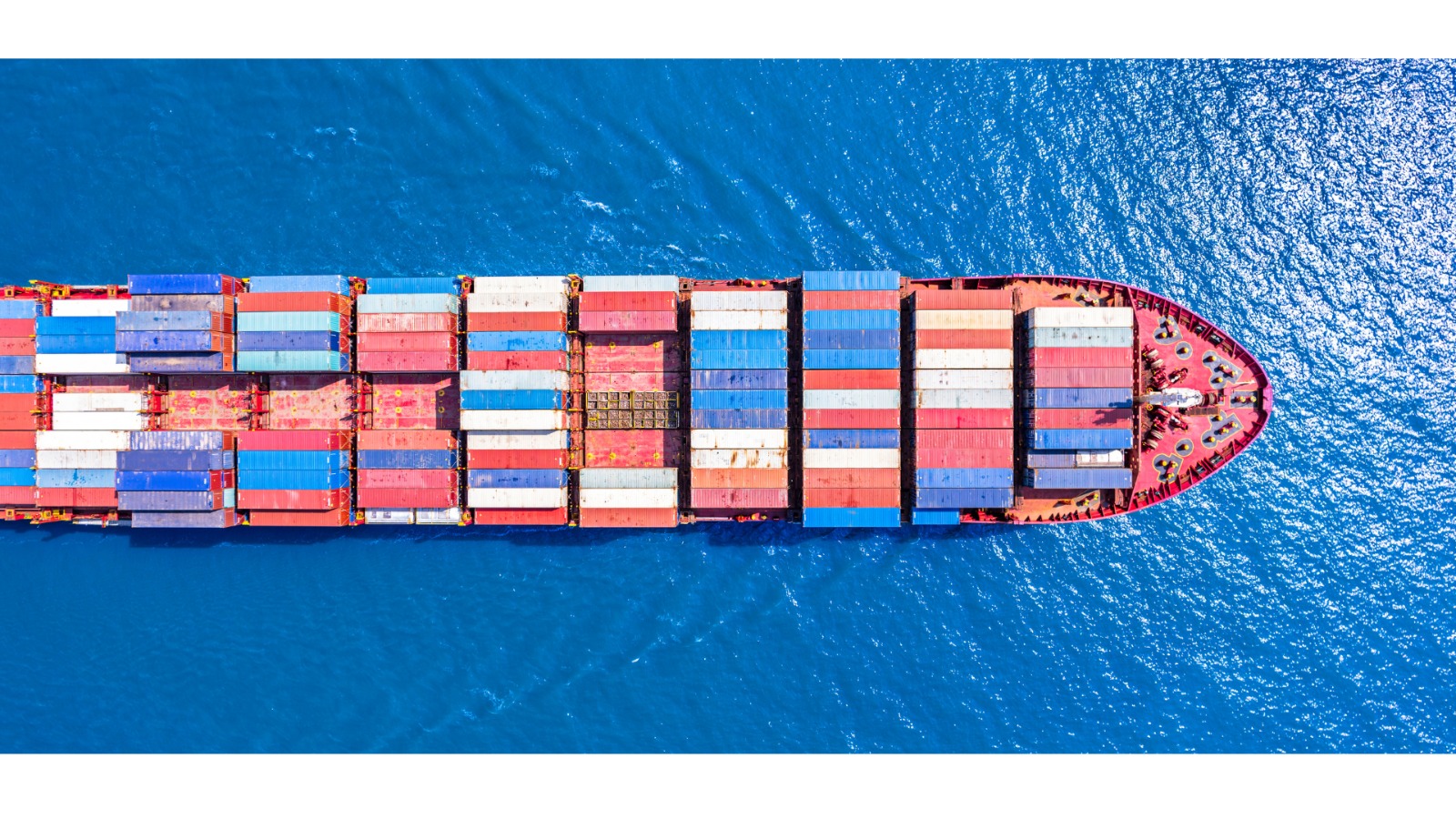
For UK and Irish SMEs, the trade landscape in early 2026 is defined by agility. While the US remains a massive partner, a 15% baseline tariff on EU goods (and 10% for UK goods) has forced a strategic pivot. Relying on transatlantic routes now carries a significant cost disadvantage that “frontloading” and stockpiling can no longer mask.
To maintain growth, SMEs in the UK and Ireland must look toward markets with more favourable regulatory frameworks and lower entry barriers. Here are the top 5 most opportune markets for UK and Irish SMEs to begin trading internationally for the first time.
1. Ireland / UK (The “Home” International Market)
The most pragmatic “first” international market for a UK SME is Ireland, and vice versa. Despite Brexit-related friction, this remains a powerhouse corridor.
- The Data: Total trade between the UK and Ireland reached £87.4 billion in the 12 months to Q3 2025, a 5% increase year-on-year.
- Why Now: Shared language, legal systems, and proximity minimise the 63% of businesses who struggle with differing national standards.
- Opportunity: Irish food and drink exports to the UK grew by 11% recently, while UK services exports to Ireland jumped by over 16%.
2. Canada
As US tariffs squeeze margins, Canada has become the primary “Pivot Market” for high-value Irish and UK goods.
- The Data: EU-Canada trade via CETA allows for 98% tariff-free trade, giving Irish SMEs a direct 15% pricing advantage over those targeting the US.
- Why Now: Recent trade diplomatic missions have highlighted massive potential for Irish whiskey and specialty food after US products were removed from shelves due to retaliatory measures.
3. Germany (The Manufacturing Anchor)
For SMEs in the chemicals, pharma, or medical device sectors, Germany is the essential alternative to US-centric supply chains.
- The Data: Irish exports to the EU (led by Germany) increased by 24.6% to €7.7 billion in late 2025, directly offsetting a 38.5% fall in US-bound goods.
- Opportunity: High demand for medical devices—a sector where Irish employment grew by 3.3% in 2025.
4. Vietnam (The ASEAN Gateway)
Vietnam is the “China+1” winner for SMEs looking to diversify their manufacturing or sourcing away from increasingly tariff-heavy regions.
- The Data: Vietnam is one of the top nations globally with a surplus monitored by the US, reflecting its role as a manufacturing powerhouse.
- Why Now: The EU-Vietnam Free Trade Agreement (EVFTA) offers a stable roadmap for Irish SMEs to enter the fast-growing Southeast Asian market.
5. Spain (Gateway to Latin America)
Spain’s economy is currently one of Europe’s strongest, providing a launchpad for services and consumer goods.
- The Data: The Spanish Ibex 35 index grew by 32% in 2025, signaling a robust consumer and corporate spending environment.
- Opportunity: Ideal for UK/Irish digital services firms looking for a stable EU foothold with linguistic links to the South American trade bloc.
What to be Mindful of When Starting
Success isn’t just about market selection; it’s about avoiding the “Landed Cost” trap.
- Tariff Volatility: Don’t assume a rate is permanent. US tariffs jumped from 1% to 15% almost overnight in 2025.
- Compliance Burden: 96% of SMEs report that EU trade is becoming more difficult due to regulatory divergence.
- Supply Chain Resilience: 60.2% of Irish exports are concentrated in pharma; diversifying into broader sectors is critical for survival.
How To Approach Your First 90 Days
- Identify Your Anchor Market: Use Bord Bia (Ireland) or the British Chambers of Commerce (UK) to validate your product-market fit.
- Audit Your Margins: Factor in a minimum 15% tariff buffer for non-FTA markets.
- Digitalise Documentation: Manual paperwork is the leading cause of border delays.
- Adopt “Glocal” Marketing: Localise your digital presence to match the cultural nuances of markets like Canada or Germany.
Why iTradeDigital is Key to Success
Expanding from the UK or Ireland requires more than a shipping partner—it requires a compliance engine. iTradeDigital solves the most common SME failures by:
- Real-Time Tariff Tracking: Instantly adjusting for the new 10-15% US tariff landscape so your quotes are always accurate.
- Automating Customs Data: Navigating the complex Rules of Origin that make 2026 trade so difficult for 96% of SMEs.
- Protecting Margins: Providing landed-cost visibility so you don’t lose your profits to hidden VAT or GST in new markets like Canada or Vietnam.